

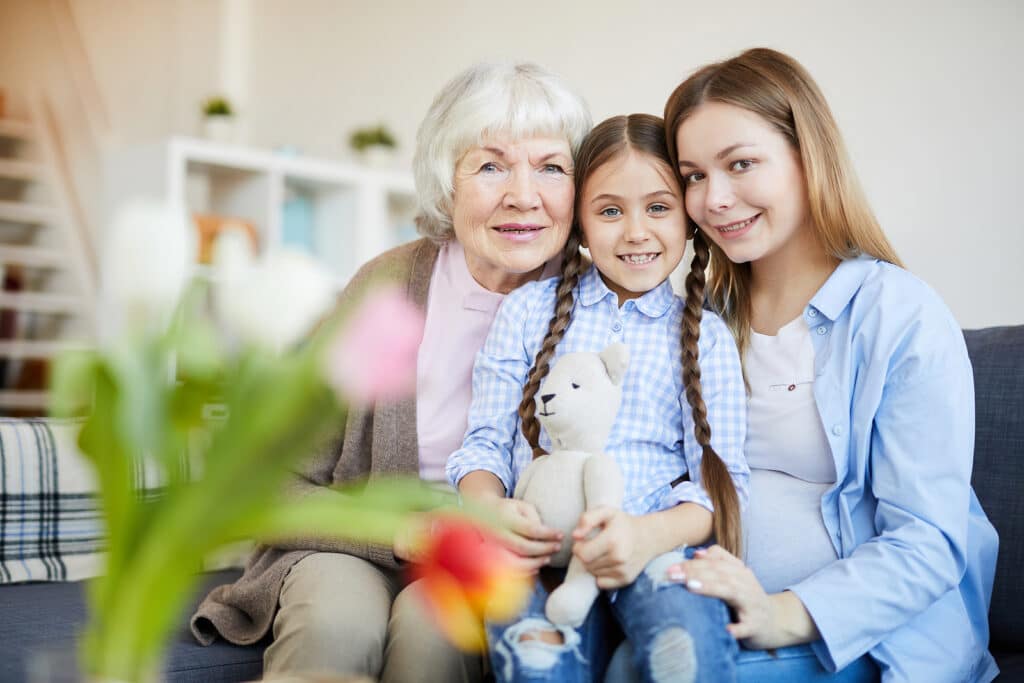
Children often have a special relationship with their grandparents. They remember holiday traditions, family stories, birthday celebrations, and afternoons spent together. As grandparents grow older and their care needs change, grandchildren may notice differences they don’t fully understand. These moments can raise questions, create confusion, or even cause worry. Families can use independent senior living placement as an opportunity to help children understand that growing older sometimes means accepting extra support while continuing to enjoy meaningful relationships.
Open, honest conversations can make a significant difference in helping grandchildren adjust to these changes.
Children Notice More Than Adults Sometimes Realize
Even young children recognize when something feels different.
They may notice that Grandma no longer drives, Grandpa forgets names, or visits happen somewhere other than the family home. Without an explanation, children often fill in the gaps with their own assumptions.
Simple, age-appropriate conversations help children understand what is happening without creating unnecessary fear.
For younger children, it may be enough to explain that their grandparent needs a little extra help with everyday activities. Older children and teenagers can usually understand more detailed conversations about aging, health, and changing care needs.
Focus on What Hasn’t Changed
One of the most reassuring messages families can give children is that their grandparent is still the same person they have always loved.
Although health needs may change, many important things remain the same.
Grandparents still enjoy:
- Family visits
- Sharing stories
- Celebrating birthdays
- Watching grandchildren grow
- Spending time together
Helping children focus on these continuing connections often reduces anxiety and encourages ongoing relationships.
Explain Why More Support Is Helpful
Children sometimes believe needing help means someone is seriously ill or that something bad has happened.
Instead, explain that just as children receive help while they are growing, older adults sometimes benefit from assistance as they age.
You might explain that additional support helps grandparents:
- Stay safe
- Eat healthy meals
- Participate in activities
- Meet new friends
- Enjoy daily life with less stress
Presenting care in this positive way helps children see support as something beneficial rather than frightening.
Visits Can Still Be Special
If a grandparent moves into an independent senior living community, children may wonder whether visits will feel different.
Families can reassure them that many favorite traditions can continue.
Visits might include:
- Playing card games
- Looking through family photo albums
- Sharing meals together
- Taking walks
- Reading books
- Attending community events
These shared experiences help preserve family bonds despite changes in living arrangements.
Encourage Questions
Children often hesitate to ask difficult questions because they don’t want to upset adults.
Creating an environment where questions are welcomed allows families to correct misunderstandings before they become larger worries.
If a child asks why Grandpa moved, a simple explanation such as, “He wanted a place where help is available if he ever needs it,” is often more reassuring than avoiding the topic altogether.
Honesty builds trust while helping children develop empathy and understanding.
Independent Living Supports Active Lifestyles
Some families assume that moving into an independent living community means giving up an active lifestyle.
In reality, many communities are designed for older adults who remain largely independent while enjoying fewer household responsibilities and more opportunities for social engagement.
Residents often participate in fitness programs, educational activities, hobbies, outings, and community events that keep them active and connected.
Helping children understand this can replace fear with excitement about visiting a grandparent’s new home.
Choosing the Right Community Matters
Not every independent living community offers the same atmosphere or opportunities. Families often want a setting where grandparents will feel comfortable while grandchildren also enjoy visiting.
Independent senior living placement services help families evaluate communities based on lifestyle, amenities, location, budget, and future goals.
A-Plus Senior Placement Services works closely with families to identify communities that support both independence and meaningful family connections.
Supporting Every Generation
A move into independent living affects the entire family, not just the senior making the transition.
Parents often find themselves balancing their own emotions while helping children understand what is happening. Taking time to explain the changes in positive, reassuring ways helps everyone adjust together.
Children who understand why their grandparent moved are often more comfortable visiting and maintaining the close relationships that remain so important.
Growing Together Through Life’s Changes
Every family experiences change over time. Helping children understand aging with compassion teaches valuable lessons about empathy, respect, and family responsibility.
Independent senior living placement is not about ending family traditions. Instead, it often creates new opportunities for visits, shared experiences, and continued connection in an environment designed to support an older adult’s independence and well-being.
A-Plus Senior Placement Services helps families navigate these transitions with thoughtful guidance, making it easier to find communities where seniors can thrive while continuing to enjoy the love and involvement of every generation.
If you or an aging loved one is considering independent senior living placement in Parlier, CA, please contact the caring staff at A-Plus Senior Placement Services today. (559) 307-0569
A-Plus Senior Placement Services provides senior care placement services in Fresno, Clovis, Sanger, Kerman, Parlier, Selma, Fowler, Kingsburg, Madera, Visalia, and surrounding areas.

Mary and Lyle want to assist every family making the transition from a loved one being at home to moving to a care home or senior community. They personally know what it is like to be in that position and it can be difficult. Having someone who is experienced and can educate families on their options has proven to take the burden off the family.
- How Smaller Residential Settings Benefit Seniors Who Need Daily Support - September 25, 2026
- Recognizing Early Signs That Memory Care May Be the Right Next Step - September 11, 2026
- Helping Grandchildren Understand a Loved One’s Changing Care Needs - August 27, 2026